TRT Replacement Therapy Near Me: Understanding the Patient Journey
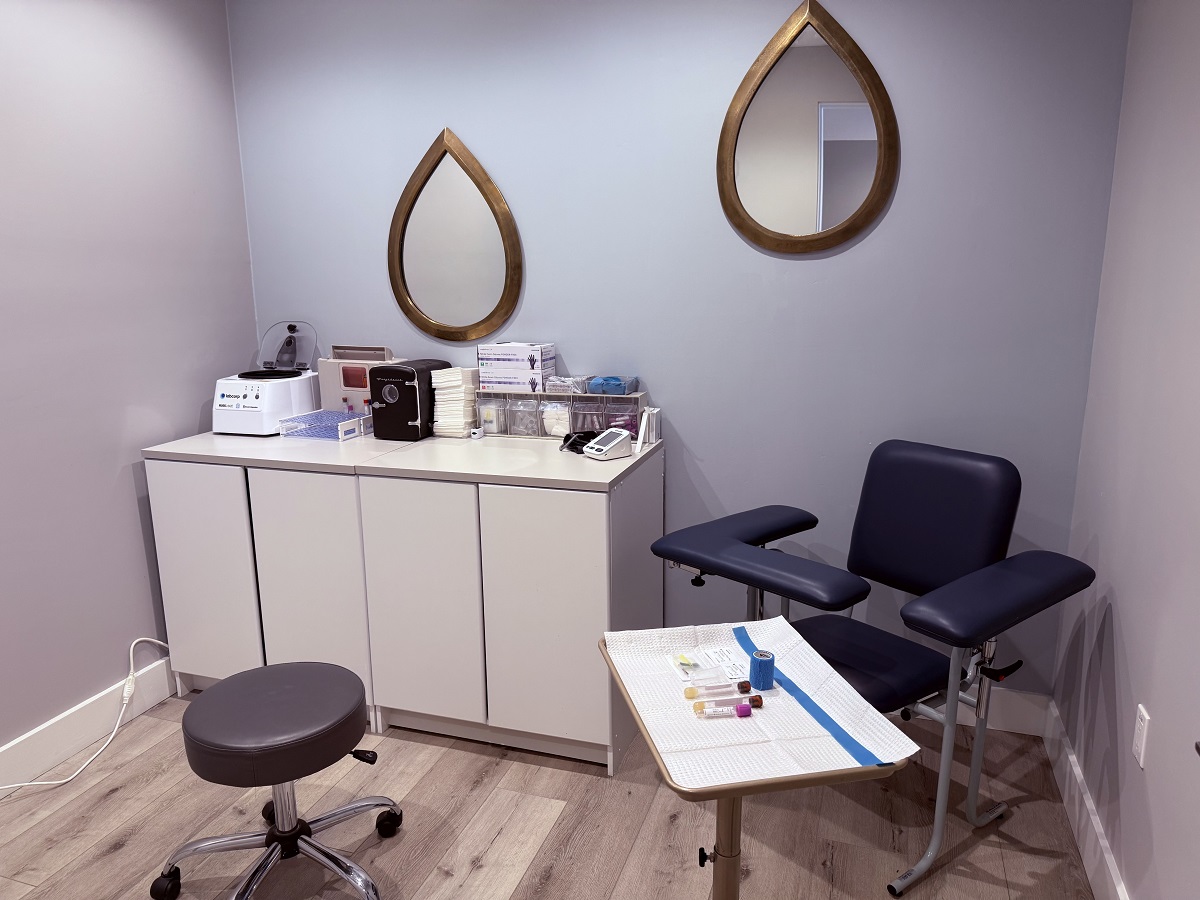

Searching for Trt replacement therapy near me usually starts long before a patient opens a map app or fills out a contact form. In practice, the search often begins with a slow accumulation of symptoms that are easy to dismiss in isolation. A man notices he is dragging through the afternoon, even after a full night’s sleep. His workouts lose their edge. Recovery takes longer. Libido drops. Mood feels flatter. Focus slips. He may gain abdominal fat despite eating the same way he always has. None of these changes proves low testosterone on its own, which is exactly why so many people wait months or years before they get evaluated.
That delay matters. Testosterone replacement therapy, often shortened to TRT, can be life-changing for the right patient, but it is not a casual wellness purchase. It requires accurate diagnosis, careful dosing, regular follow-up, and a clinic that treats hormone care as medicine, not marketing. Patients who understand the process tend to make better decisions, avoid unrealistic expectations, and get safer, more durable results.
Why the local search happens at a turning point
Most people do not wake up one morning and decide to explore hormone therapy out of curiosity. By the time they start looking for a nearby clinic, something has usually shifted. It might be a doctor mentioning low levels on routine labs. It might be a spouse pointing out personality changes. Sometimes it comes after a failed attempt to fix the problem through cleaner eating, better sleep, fewer drinks, or a more disciplined training plan.
There is also a practical reason the local search matters. TRT is not a one-visit intervention. Good care depends on continuity. Patients need baseline testing, repeat lab work, dose adjustments, and a clinician who can respond when things are not straightforward. That is much easier when the practice is accessible, whether in person or through a structured telemedicine model that still includes appropriate testing and follow-up. Convenience is not the whole story, but it strongly affects adherence. A treatment plan that looks perfect on paper can fall apart if appointments are hard to schedule or lab coordination becomes a burden.
From a patient’s perspective, “near me” often means more than geographic distance. It also means, “Can I reach someone when I have questions? Do they know my case? Will they monitor me or just refill me?” Those are better questions than price alone.
What TRT is meant to treat, and what it is not
TRT is intended for people with clinically meaningful testosterone deficiency, confirmed through symptoms and laboratory evidence. The distinction matters. Testosterone naturally varies throughout the day, declines gradually with age in many men, and can temporarily dip during illness, severe stress, calorie restriction, overtraining, or poor sleep. A single low reading is not the same as a durable diagnosis.
In real practice, careful clinicians try to answer two separate questions. First, does the patient actually have symptoms consistent with low testosterone? Second, do the lab findings support that picture in a reliable way? That usually means more than one morning blood test, along with a broader look at related markers. Total testosterone tells part of the story. Free testosterone, sex hormone-binding globulin, luteinizing hormone, estradiol, complete blood count, metabolic markers, and sometimes thyroid studies can all add useful context.
This is where patients can run into trouble with oversimplified Trt replacement therapy near me advertising. Some clinics frame any low energy or loss of motivation as evidence that testosterone is the missing piece. That is too narrow a lens. Sleep apnea, depression, chronic stress, obesity, insulin resistance, medication effects, and heavy alcohol use can all mimic or contribute to the same symptom cluster. Starting TRT without examining those factors can create false hope and muddy the clinical picture.
At the same time, the opposite mistake happens too. Men with textbook symptoms and clearly low levels are sometimes brushed off because they are “too young” or because the issue is attributed to stress without proper workup. Good hormone care lives in the middle ground. It takes symptoms seriously, but it verifies before it treats.
The first consultation, what a thorough clinic usually asks
A strong initial consultation feels more like an investigation than a sales call. Patients should expect detailed questions about energy, sleep, libido, erections, concentration, mood, strength, body composition, exercise patterns, fertility goals, medications, alcohol intake, prior anabolic steroid use, and any history of cardiovascular disease or clotting issues. This is also the stage where family history becomes relevant, especially for prostate conditions, early heart disease, diabetes, and sleep apnea.
One of the most important parts of the visit is the discussion patients often do not think to bring up on their own, fertility. Exogenous testosterone can suppress sperm production, sometimes significantly. A man in his thirties who wants children in the next year is in a very different position from a man in his sixties whose family is complete. In clinic, this single topic can completely change the treatment plan. Some patients need alternatives to TRT, some need fertility preservation conversations up front, and some need referral to a reproductive specialist before moving ahead.
A careful clinician also spends time on what TRT can and cannot realistically do. Men sometimes come in expecting immediate fat loss, rapid muscle gain, and a dramatic mood reset within days. Those expectations are shaped by online before-and-after stories more than by clinical reality. While many patients do improve, the response is usually gradual. Energy may lift over weeks. Libido often changes earlier than body composition. Strength gains, if they happen, depend heavily on training, nutrition, sleep, and baseline health. The goal is symptom improvement and normalization, not turning a 48-year-old into his 25-year-old self overnight.
Lab work, timing, and why repeat testing matters
Morning testing remains important because testosterone follows a daily rhythm, especially in younger men. If a patient had blood drawn late in the afternoon after poor sleep and a heavy training session, the result may not reflect his usual baseline. That is one reason repeat labs are common before a diagnosis is finalized.
The numbers themselves need interpretation, not just comparison against a reference range. A patient can be technically “in range” and still have a clinical picture worth investigating, particularly if free testosterone is low or if sex hormone-binding globulin alters the relationship between total and bioavailable testosterone. On the other side, a patient with a marginally low result but no meaningful symptoms is not automatically a candidate for treatment.
Clinicians also use baseline labs to reduce risk. Hematocrit matters because TRT can increase red blood cell mass. Estradiol matters because changes in aromatization can affect symptoms and management. Prostate-specific antigen may be checked based on age, history, and practice pattern. Liver function, lipids, glucose, and blood pressure help build a broader picture of cardiometabolic health. This is not administrative box-checking. These are the details that separate responsible hormone management from casual prescribing.
A common patient frustration is the time this stage takes. People come in hoping for a same-day answer. Sometimes that is possible, but often the better medical decision is to slow down, repeat testing, and make sure the diagnosis is real. That patience tends to pay off later.
Choosing a clinic when every website sounds confident
The local TRT market can be confusing because many clinics present themselves in nearly identical language. They all promise personalized care, optimization, convenience, and renewed vitality. Those words do not tell you much. What matters is how the clinic practices when the case is less than perfect.
A useful way to think about the search is to look for signs of medical depth rather than branding polish. Does the clinic explain how it diagnoses testosterone deficiency? Does it discuss fertility openly? Does it talk about monitoring hematocrit, estradiol, and symptom response? Does it acknowledge that not every tired patient needs testosterone? Those are stronger signals than dramatic transformation stories.
Patients often ask whether a primary care office, men’s health clinic, endocrinologist, or urology practice is the best setting. The answer depends on the provider’s experience and philosophy. Some primary care physicians manage TRT thoughtfully and very well. Some specialists do the same. Some dedicated hormone clinics are excellent. Others are little more than subscription businesses with a lab panel attached. Credentials matter, but process matters just as much.
Here are a few questions worth asking before committing to treatment:
- How do you confirm the diagnosis before prescribing?
- What labs do you monitor after treatment starts?
- How often are follow-up visits scheduled in the first year?
- How do you handle fertility concerns or men who want future children?
- What happens if symptoms improve only partially or side effects emerge?
If a clinic struggles to answer those clearly, that is useful information.
Treatment options, and why delivery method changes the experience
TRT is not one thing. It is a category of treatment delivered through different methods, each with practical trade-offs. Injections are common because they are effective, widely available, and often less expensive than other options. Some patients do very well with weekly or twice-weekly self-injections and appreciate the control and affordability. Others dislike needles, fluctuate noticeably between doses, or simply do not want the logistics.
Topical gels and creams appeal to patients who prefer to avoid injections. They can work well, but they require daily use and careful attention to transfer risk, especially around partners and children. Absorption also varies from person to person. Pellets, patches, and other formulations exist, though availability and clinician preference differ. There is no universally best option. There is only the best fit for a specific patient’s physiology, routine, tolerance, and budget.
That last point gets overlooked. Cost influences adherence as much as pharmacology. A treatment plan that is elegant but financially unrealistic usually fails. I have seen patients do better on a simpler, less expensive regimen that they can follow consistently than on a more sophisticated plan they abandon after three months.
Dose adjustment is where experienced management really shows. Starting too high can create early enthusiasm followed by avoidable problems, rising hematocrit, acne, irritability, or estrogen-related symptoms. Starting too low may leave the patient discouraged and convinced TRT “doesn’t work.” The best clinicians are not trying to chase a heroic number on a lab sheet. They are trying to reach a stable range where symptoms improve and risk stays manageable.
The first few months, where expectation meets reality
Once treatment begins, patients often want to know exactly when they will feel different. The honest answer is that timelines vary. Some notice changes in libido or mental sharpness within a few weeks. Energy and mood often shift more gradually. Body composition is slower still, particularly if the patient is not also addressing sleep quality, protein intake, resistance training, and alcohol consumption.
This stage can be psychologically tricky. Patients may monitor themselves so closely that every good or bad day gets attributed to TRT. A great workout becomes proof the therapy is perfect. A tired Tuesday becomes proof the dose is wrong. The truth is less dramatic. Hormone therapy influences the system over time, but daily life still includes stress, poor sleep, skipped meals, illness, and ordinary fluctuation.
Follow-up labs help, but numbers do not replace clinical judgment. A patient can have a “good” testosterone level on paper and still feel off because of sleep apnea, unresolved depression, or a dosing schedule that does not suit him. Another patient may report real symptom improvement even before the labs look ideal. This is why good follow-up combines bloodwork with careful listening.
One of the more common disappointments occurs when a patient expects TRT to fix burnout. Hormones can help when true deficiency is part of the picture. They cannot fully compensate for 5-hour sleep habits, chronic overwork, nightly drinking, or severe relationship stress. The clinics that get the best outcomes usually say this early and often. Testosterone can support recovery, but it does not replace the basics Trt replacement therapy near me of health.
Side effects and the kinds of monitoring that actually matter
No serious TRT discussion is complete without risk management. Most patients tolerate treatment well when selected appropriately and monitored carefully, but “well tolerated” does not mean “risk free.” Hematocrit can rise. Acne may appear, particularly in patients prone to it. Fluid retention can happen. Some men notice changes in mood, especially if dosing creates peaks and troughs. Breast tenderness or estrogen-related symptoms may occur, though management is more nuanced than internet forums make it seem.
Sleep apnea deserves special attention. Men who snore loudly, wake unrefreshed, or have witnessed breathing pauses need evaluation, regardless of testosterone status. Untreated sleep apnea can contribute to fatigue, low testosterone, high blood pressure, and elevated cardiovascular risk. It also complicates TRT follow-up because the patient may blame persistent fatigue on dosing when the real issue is interrupted sleep.
Fertility, again, is central. Many patients are surprised by how strongly TRT can suppress the body’s own hormone signaling. This is not a niche concern. It should be discussed before the first prescription, not after semen parameters drop.
Monitoring schedules vary, but a responsible first year usually includes repeat labs after treatment begins, then periodic reassessment once the regimen stabilizes. Patients should know what is being monitored and why. A clinic that rarely checks blood counts or does not ask about symptom evolution is not practicing with enough discipline.
The emotional side of the journey
There is a layer of TRT care that lab reports do not capture. Men often arrive at this point carrying frustration, embarrassment, or self-doubt. Some feel they have lost part of themselves. Others worry that seeking treatment means they have failed to age well or failed to maintain discipline. Those feelings shape how they hear medical advice.
A patient who has felt flat for two years may put too much emotional weight on the first injection. A patient who prides himself on toughness may minimize symptoms and underreport side effects. Another may come in after months of social media exposure, expecting a dramatic physical transformation because he has seen selective success stories over and over again. Clinicians who ignore this emotional context miss a big part of the job.
The healthiest version of TRT care does not promise reinvention. It frames treatment as one tool in a larger effort to restore function and quality of life. That framing protects patients from both cynicism and fantasy. If therapy works, it often feels less like becoming someone new and more like getting back access to capacities that had gradually slipped away.
When TRT may not be the right next step
It is worth saying plainly that not every patient who searches for Trt replacement therapy near me should start TRT. Some are better served by weight loss, treatment of sleep apnea, medication review, reduction in alcohol use, improved glycemic control, or a serious reset of training and recovery habits. Others need mental health support first, especially when low mood, loss of motivation, or stress overload are driving the presentation.
There are also patients whose lab patterns point toward a different underlying issue that needs diagnosis before any hormone replacement is considered. Pituitary disorders are uncommon, but they matter. So do thyroid abnormalities and medication effects. A good clinic does not take offense when a patient needs broader evaluation. It does the work or refers appropriately.
The best patient journeys are not the fastest ones. They are the ones built on accurate diagnosis, realistic expectations, and steady follow-up. For some men, that path leads to TRT and meaningful symptom relief. For others, the most effective plan turns out to be something else entirely. Both outcomes count as good medicine.
What patients often say they wish they knew earlier
After men have been in treatment for a while, a few patterns tend to come up in hindsight. They wish they had asked more questions about fertility before starting. They wish they understood that symptom changes would be gradual, not immediate. They wish they had paid closer attention to sleep, body weight, and alcohol use before assuming hormones were the whole answer.
They also often say they underestimated the value of a clinic that communicates well. Quick responses, clear lab explanations, and thoughtful dose changes matter more over a year than a glossy website ever will. Hormone therapy is not just about getting prescribed. It is about being managed.
That is the real meaning behind the local search. Patients are not simply looking for testosterone. They are looking for a place where the process will be handled competently, where symptoms will be taken seriously without shortcuts, and where the treatment plan will be tailored to the actual person sitting in the exam room. For anyone exploring Trt replacement therapy near me, that is the standard worth holding onto.
SDBody La Jolla
Address: 7710 Fay Ave, La Jolla, CA 92037
Phone number: +18584012383
FAQ About Trt replacement therapy near me
Will insurance pay for TRT therapy in La Jolla, CA?
Coverage varies by plan and may depend on the diagnosis, blood test results, medication and prior authorization. Ask your insurer which visits, lab tests and formulations it covers and what you would pay out of pocket.
What is the most affordable TRT clinic in La Jolla?
Compare written estimates for the initial visit, lab work, medication and follow-up monitoring. Your total cost will depend on your insurance and the care your clinician recommends.
Is TRT replacement good for you in La Jolla, CA?
Testosterone replacement may help some people with symptoms and consistently low testosterone confirmed by blood tests. A clinician can review the potential benefits, risks, fertility plans and monitoring needs before recommending treatment.